

Non-Medical Home Infrastructure
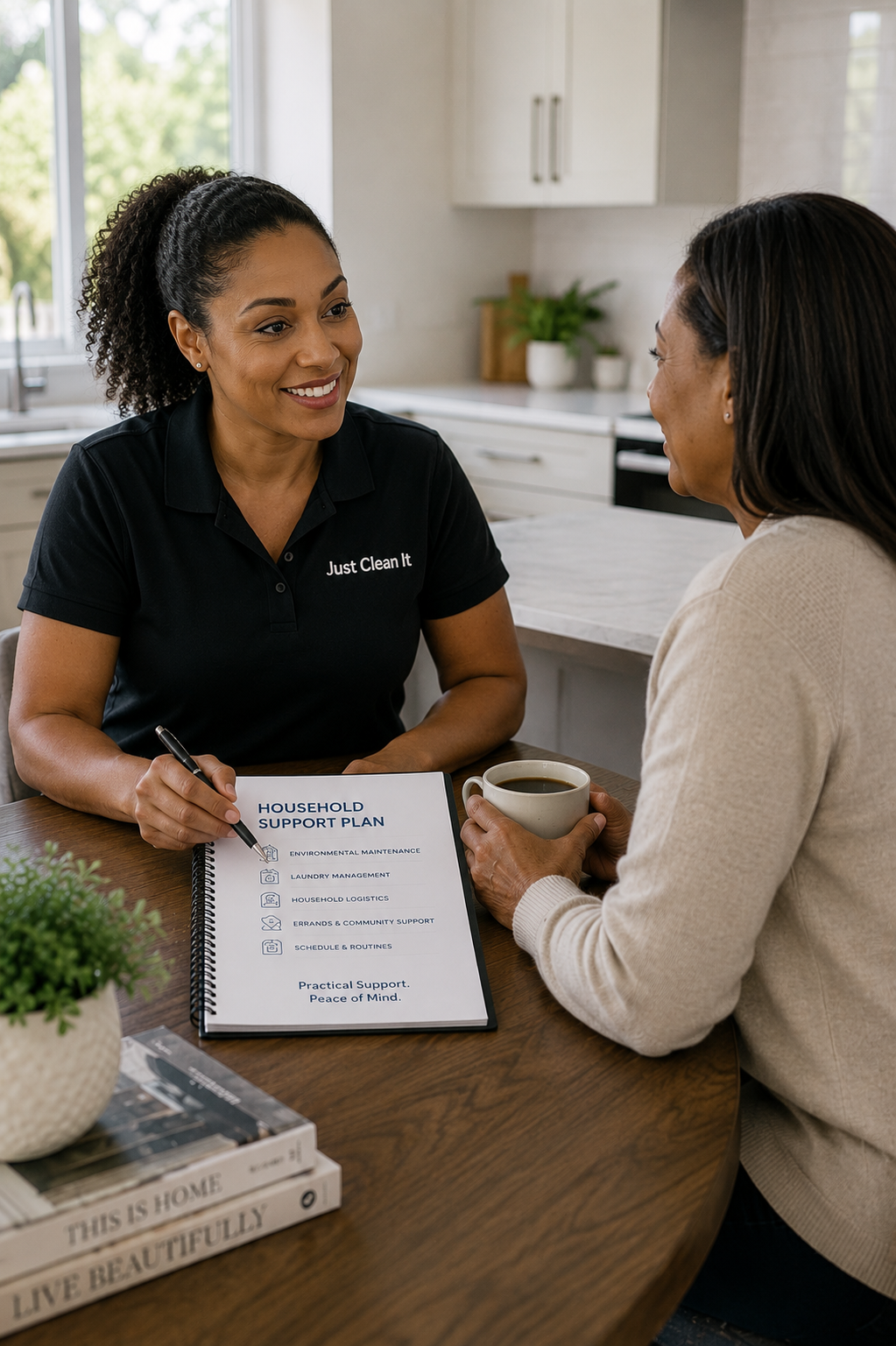
The Missing Layer Traditional Support Does Not Address
Many support systems focus on the person receiving care. Medical providers address health. Personal support workers assist with personal care. Traditional cleaning companies address selected household tasks. But the condition, organization, and daily function of the home environment often remain outside the structure of support.
Supports The Individual
Personal support may assist with activities connected to the individual, but it is not designed to manage the full condition, rhythm, and operational needs of the home environment.
Addresses Selected Tasks
Cleaning services may address visible tasks, but they often operate as isolated appointments rather than part of a broader household support structure.
Still Requires Management
Laundry, detailed cleaning, organization, errands, household supplies, seasonal needs, and daily routines continue regardless of age, recovery, caregiving demands, or life transitions.
Defines The Missing Layer
This framework identifies the household responsibilities that exist around the person without becoming medical care, personal care, or a traditional cleaning-only service.
Non-Medical Home Infrastructure™ exists because independent living, aging in place, recovery, caregiving, and household stability require more than support for the individual. They also require support for the environment that makes daily life possible.
The Home Operates Through Multiple Systems
The home is more than a physical structure. It functions through a collection of ongoing responsibilities that require attention, coordination, and continuity over time.
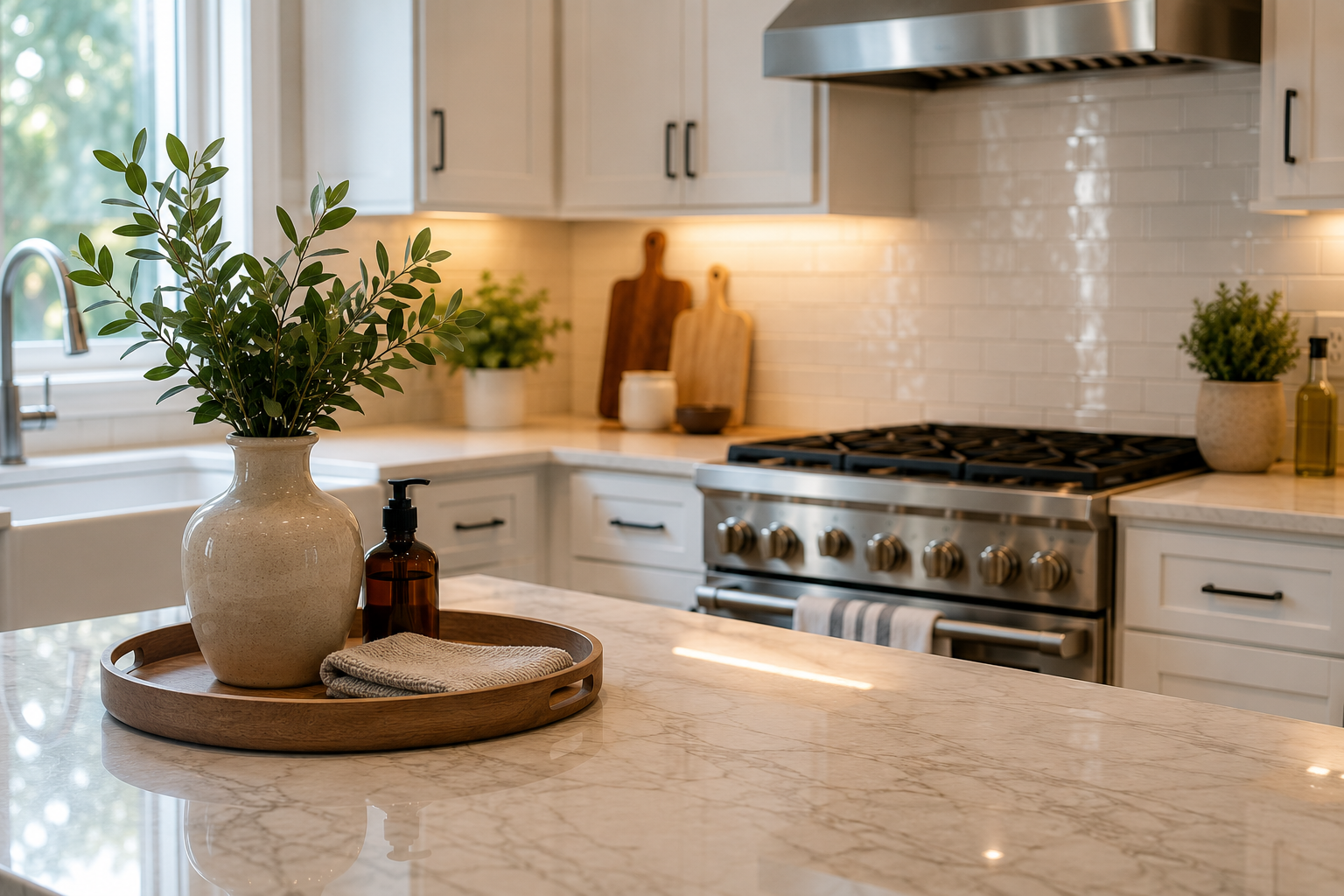
Environmental Maintenance
The condition of surfaces, kitchens, bathrooms, living spaces, and shared household environments requires ongoing attention to maintain functionality and livability.
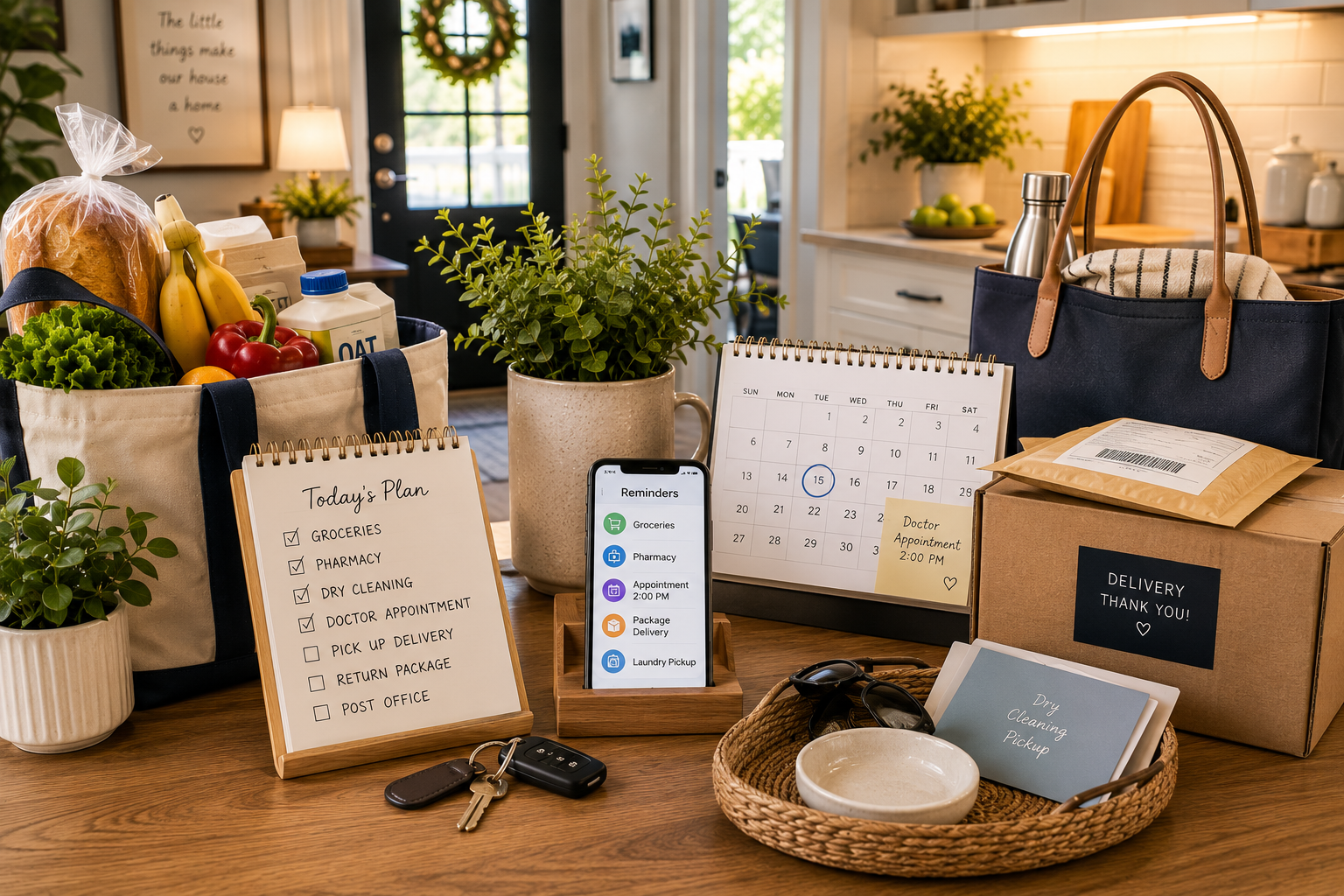
Household Logistics
Supplies, errands, groceries, appointments, deliveries, and routine household requirements contribute to the operational demands of daily living.
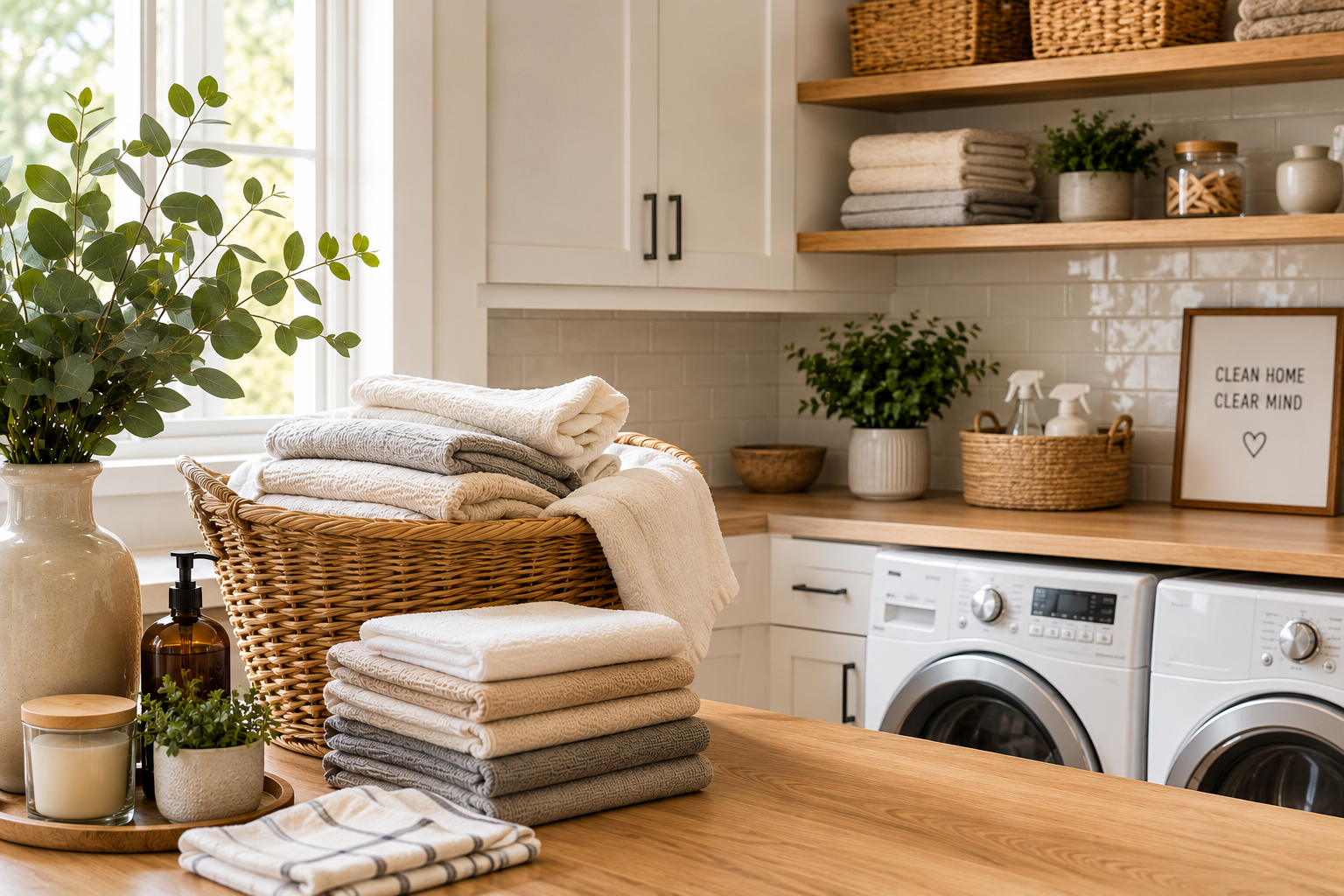
Laundry Management
Clothing, linens, towels, and household textiles continue to accumulate regardless of schedules, health circumstances, or life transitions.
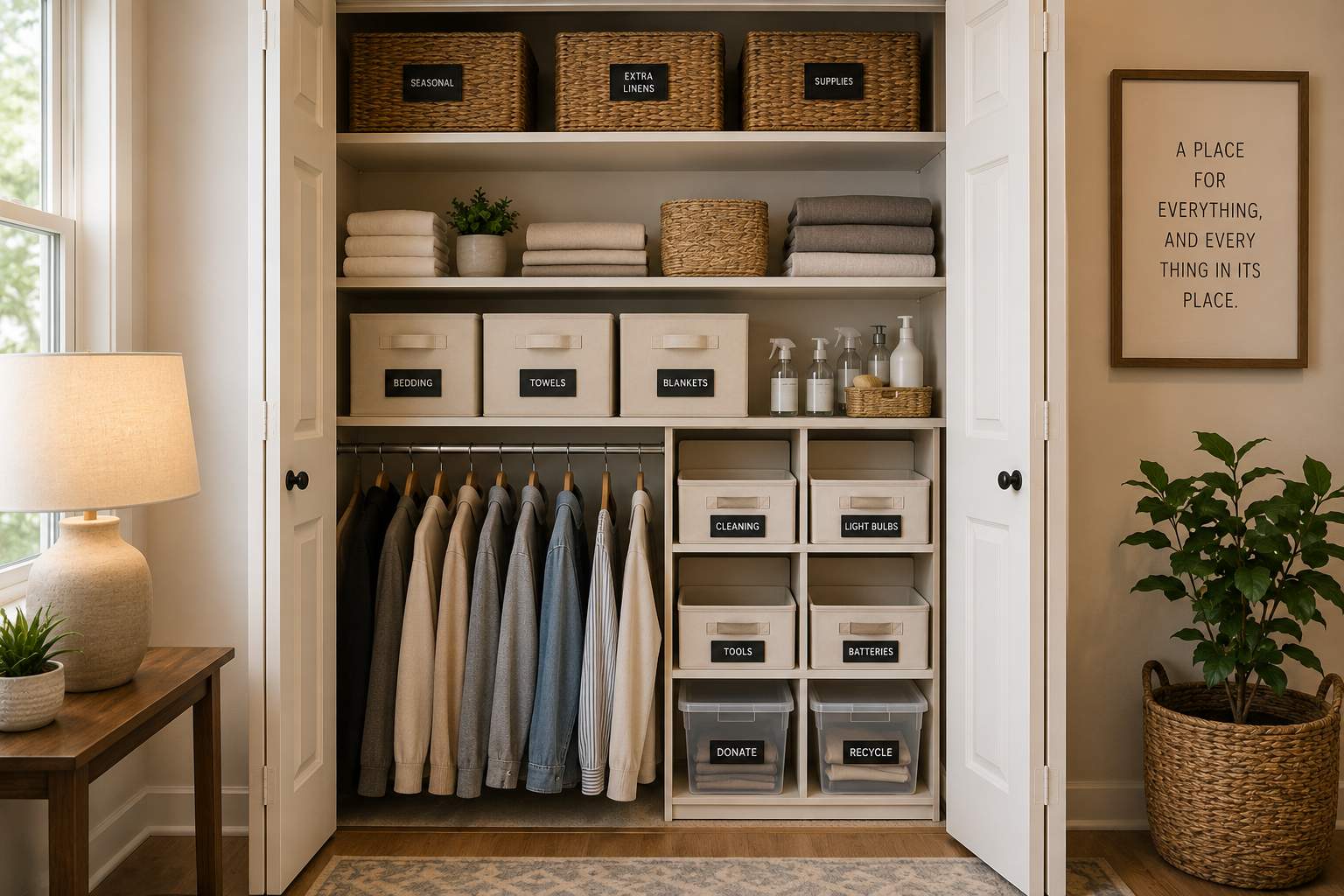
Organization & Stability
Maintaining order within the home often requires structure, consistency, and practical support during periods of change or increased responsibility.
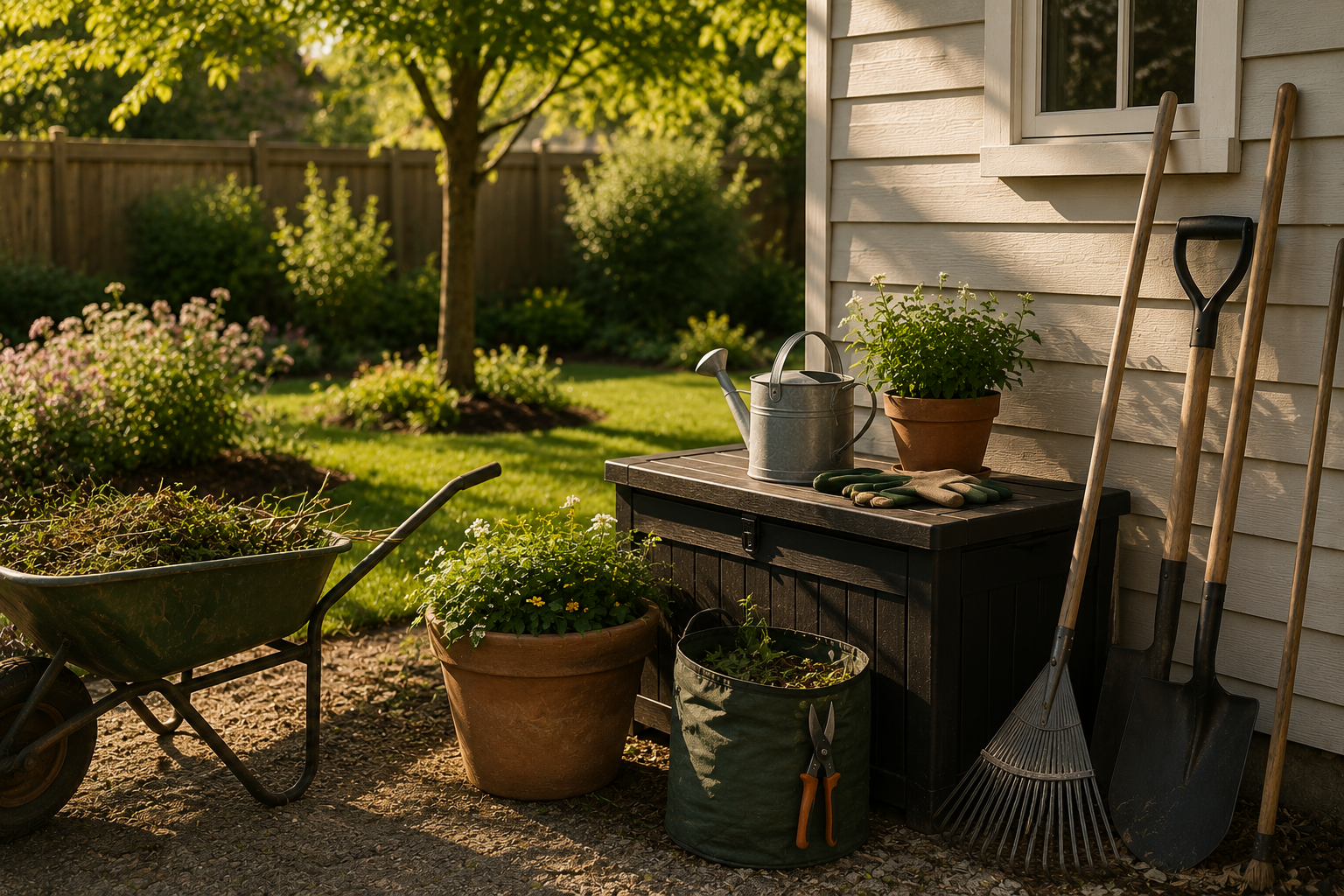
Seasonal Responsibilities
Outdoor upkeep, seasonal transitions, weather-related tasks, and property care continue throughout the year and contribute to overall household function.
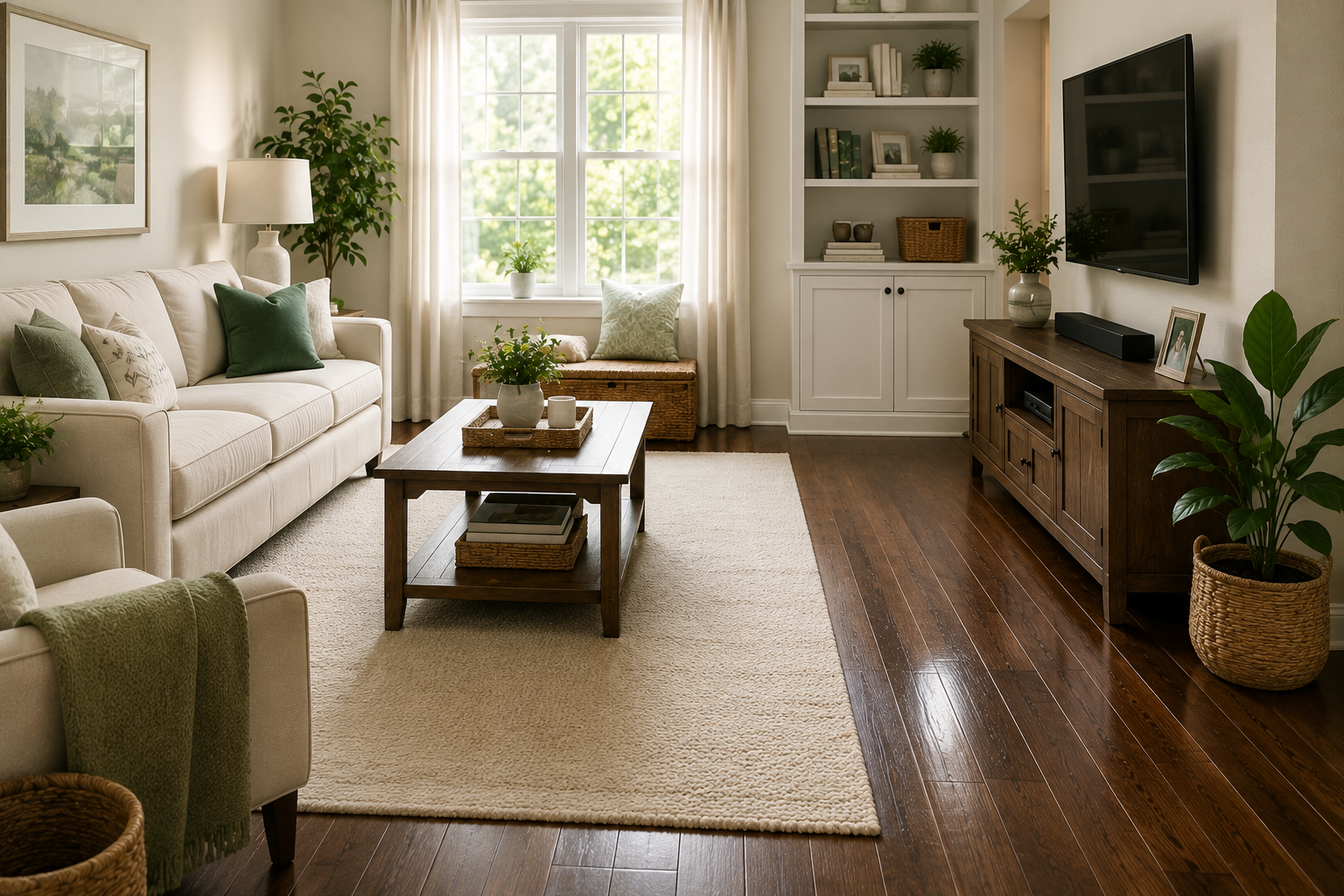
Continuity
The ability to maintain routines and household standards over time often determines whether a home remains manageable through changing circumstances.
Non-Medical Home Infrastructure™ views these responsibilities as interconnected systems rather than isolated tasks, helping explain why household support often extends beyond a single service or appointment.
The Home Does Not Pause During Life Transitions
The need for household infrastructure often becomes most apparent during periods of change, increased responsibility, recovery, or reduced capacity.

Aging In Place
Many people wish to remain in the homes they know and love. As circumstances evolve, the home itself often requires additional support to remain comfortable, functional, and manageable.
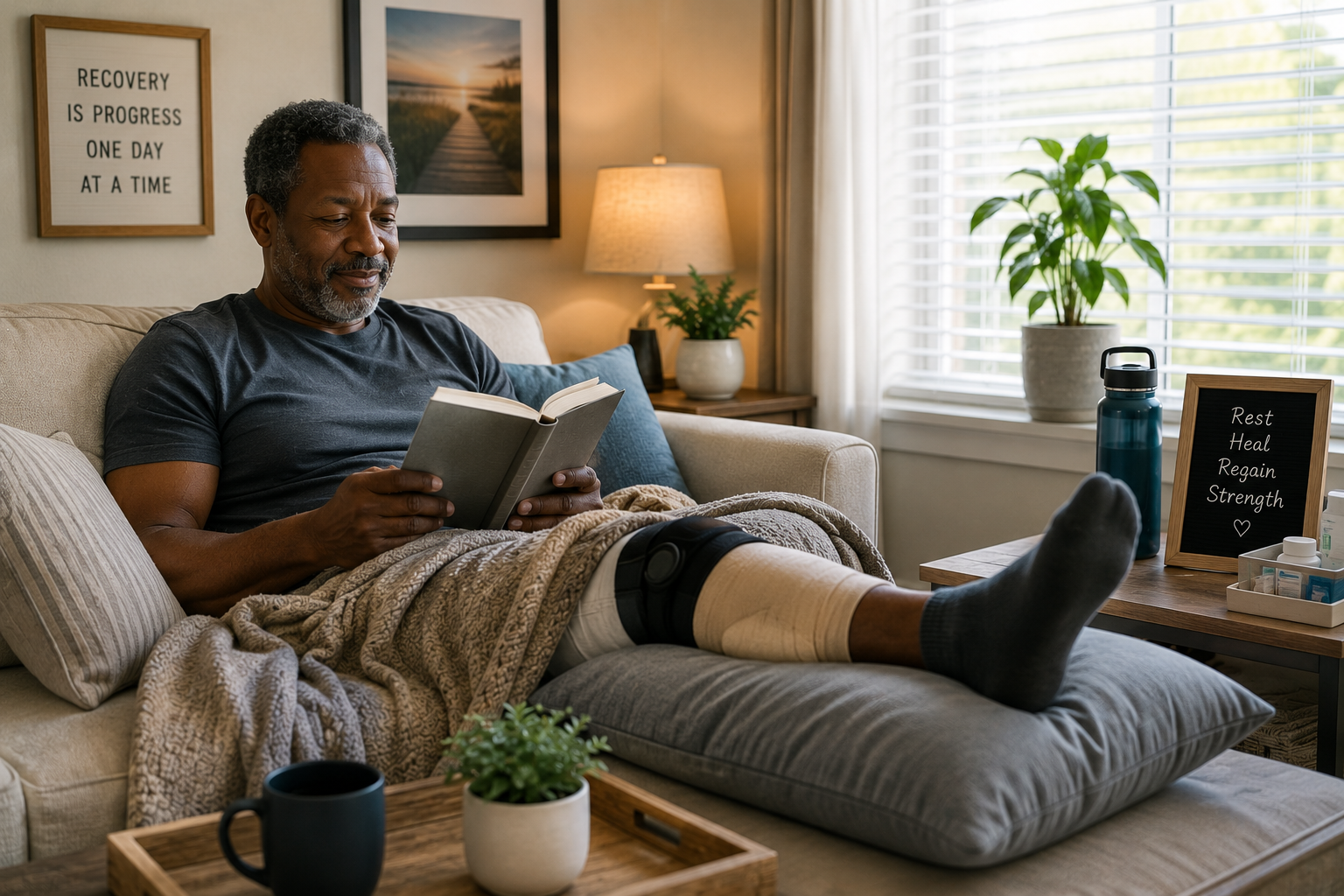
Recovery & Rehabilitation
Recovery may focus on the individual, but daily household responsibilities continue. The environment often becomes an important part of maintaining stability during the recovery process.
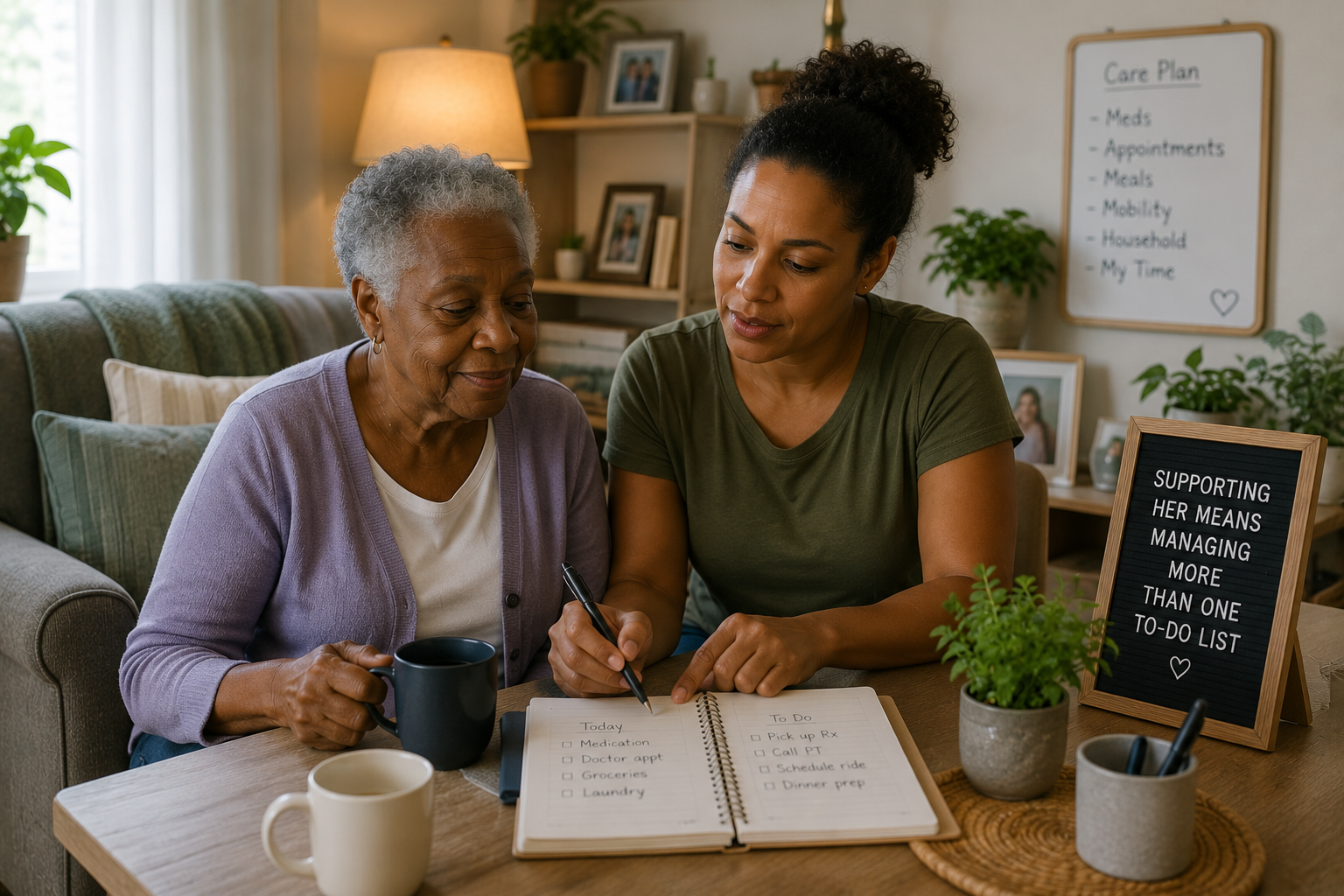
Family Caregiving
Supporting a loved one frequently increases household responsibilities. The demands placed on the home can grow alongside the demands placed on the caregiver.
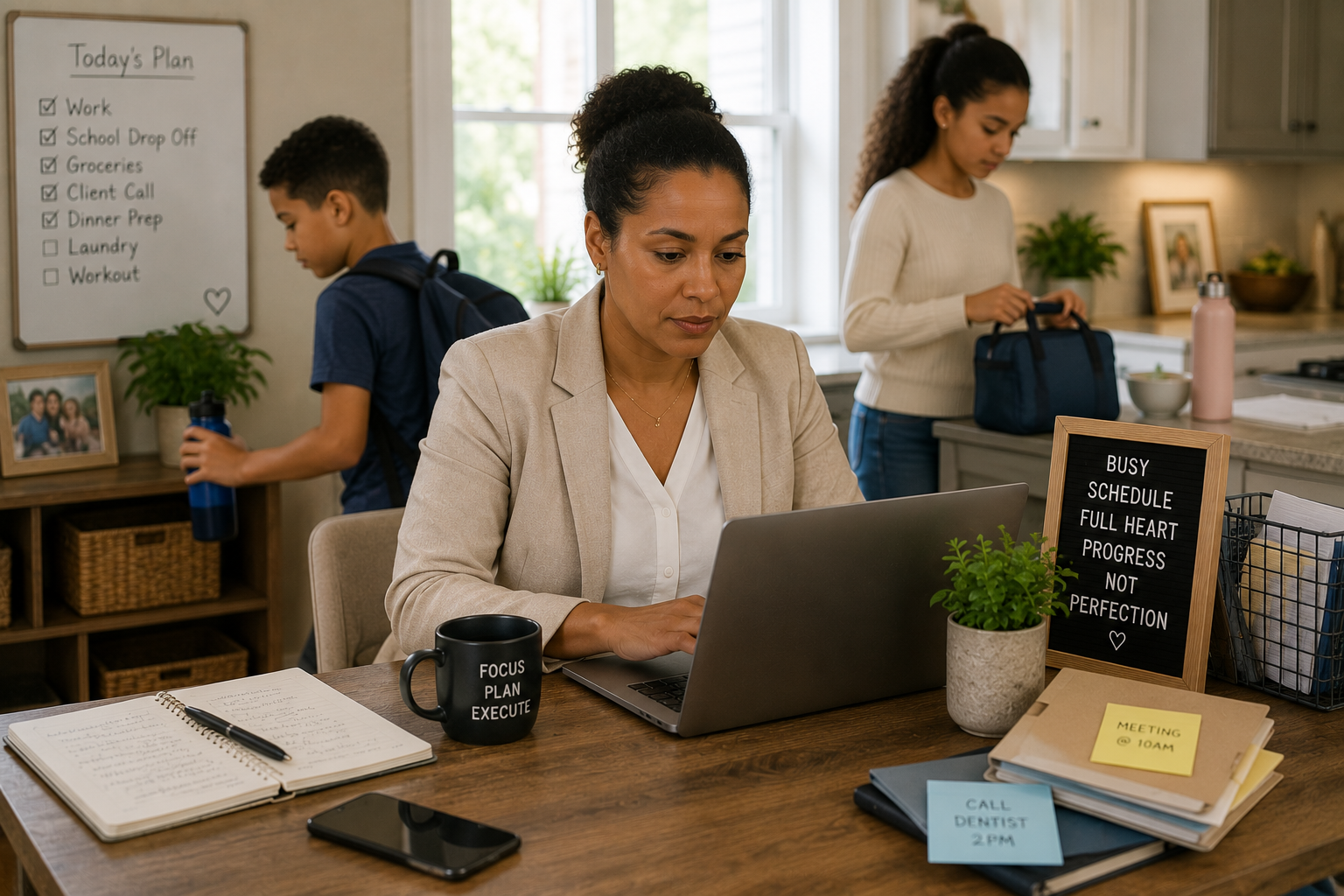
Busy Professional Households
Time constraints do not eliminate household responsibilities. Many households require additional structure and support simply to maintain continuity.
While circumstances may change, the home continues to require coordination, maintenance, organization, and practical support. Non-Medical Home Infrastructure™ exists to help explain that reality.

Understanding Non-Medical Home Infrastructure™
Is Non-Medical Home Infrastructure™ a medical service?
No. It is not medical care, nursing, personal care, or PSW support. It focuses on the home environment and the practical responsibilities that help a household remain functional.
How is this different from traditional cleaning?
Traditional cleaning usually focuses on selected tasks. Non-Medical Home Infrastructure™ looks at the wider household environment, including continuity, laundry, routines, organization, errands, maintenance, and practical support needs.
Why does this framework matter for aging in place?
Aging in place is not only about remaining in the home. The home itself must continue to function. That often requires support around the environment, routines, laundry, cleaning, organization, and household stability.
How does this connect to Home Help Support™?
Home Help Support™ is one practical pathway connected to this framework. Non-Medical Home Infrastructure™ explains why that support exists and how the home environment fits into the broader Lifestyle Management Cleaning™ model.
Does this replace PSWs or healthcare providers?
No. It does not replace personal support workers, healthcare providers, nurses, therapists, or regulated care professionals. It supports the household environment around the person.
Why This Framework Had To Be Defined
Non-Medical Home Infrastructure™ was developed from the recognition that many households require support beyond traditional cleaning, while still not requiring medical or personal care.
The gap exists in the environment itself: the laundry, surfaces, supplies, routines, errands, organization, seasonal responsibilities, and daily household demands that continue regardless of age, recovery, caregiving, or life circumstances.
Within Lifestyle Management Cleaning™, this framework gives language and structure to the practical layer of support that helps a home remain stable, functional, and manageable over time.
Independent Living Requires More Than A Home
The ability to remain comfortable, independent, and supported often depends on more than the individual alone. It also depends on the condition, continuity, and management of the environment surrounding them.